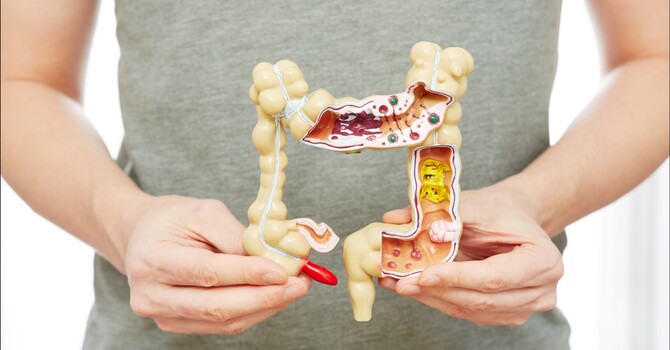
Urinary and bladder issues have a TON of different names and diagnosis codes, and many have no known cause. Most people don't care as much about what it's called - they just want to fix it! When tests are negative, when pills, pads, exercises, and surgery are not helping or not desirable, it's time to consider that the problem may be stemming from the forgotten tissue: The Fascia.
Environmental Problem
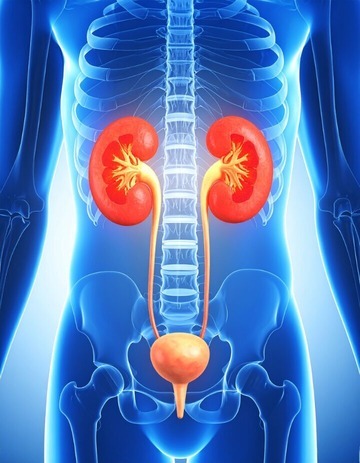
Many tests that focus on the bladder and urine are ofen inconclusive. That's because the problem is often not with the bladder itself, but rather the fascial environment associated with the bladder (or kidneys, ureters, & urethra). Even in the case of positive tests for a urinary tract infection (UTI), a faulty fascial environment may predispose someone to a UTI, especially if they are recurrent. The urinary structures - especially the kidneys - are located toward the lower back, and have a strong relationship with the fascia and muscles of the low back. Loss of slide in these fascial layers can cause not only back pain, but also interferre with the ability of the urinary structures to function properly. This is why research shows that many people with low back pain also have urinary issues.
Expand the Focus
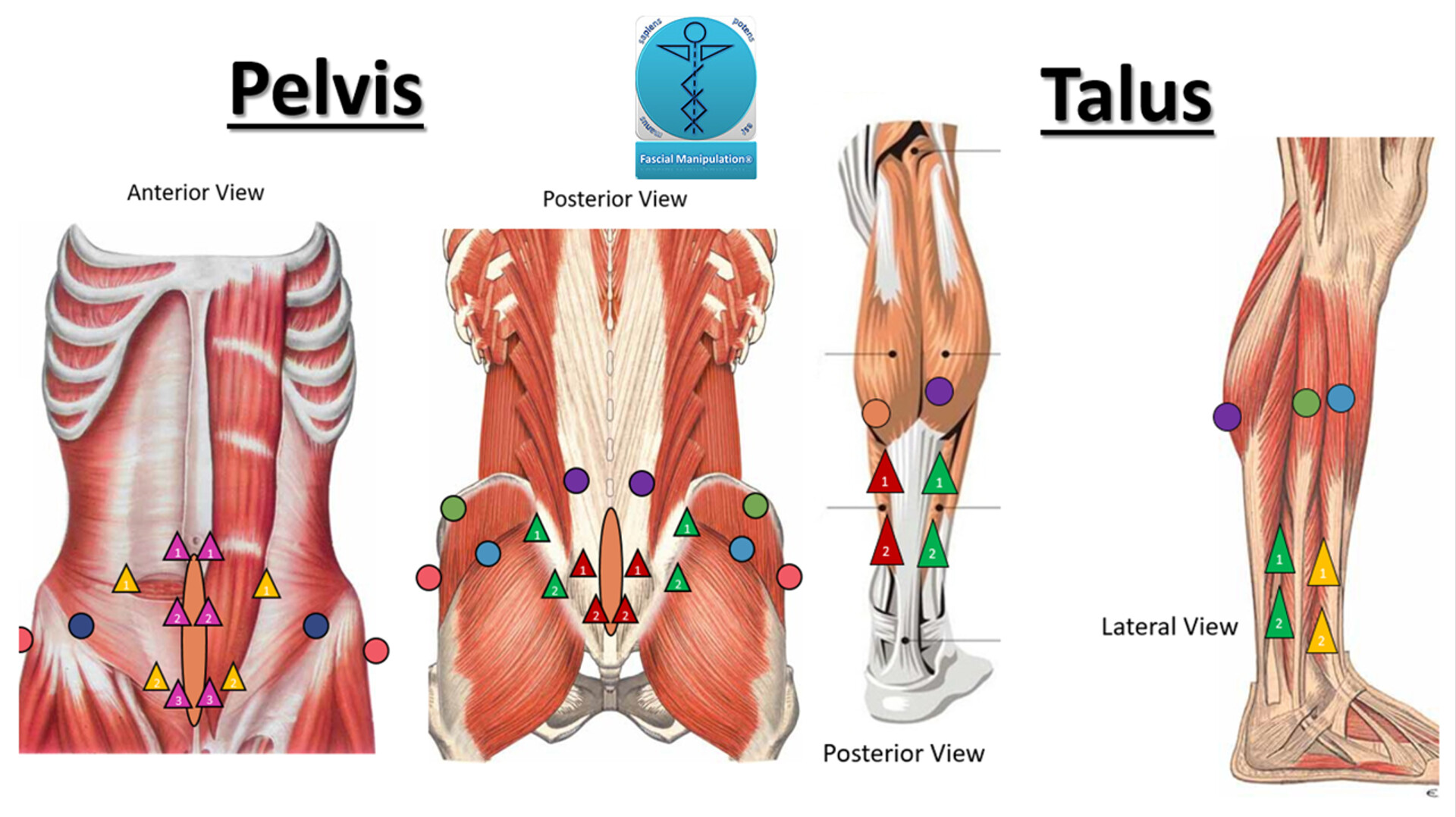
Many tradtional approaches fixate on the pelvic floor as the culprit. While certainly worthy of respect, the pelvic floor is a group of muscles that, like all muscles, function according to the commands of the nervous system. The debate of whether the pelvic floor is too tight or too weak is an inaccurate construct. The pelvic floor muscles are simply doing whatever the nervous system is telling them to do. If the nervous system interaction with the muscles and tendons is embedded in a non-elastic fascial matrix, then it doesn't matter how much you do strengthening exercises (like Kegels), or how deep you breathe and try to relax: the nervous system is going to rule. The key often lies in addressing fascial dysfunction in multiple areas beyond the pelvic floor: in the fascia of the calves, feet, and hips for example. Fascial dysfunction in these areas can create tension that is transmitted to the pelvic floor and the bladder. The urinary system also works closely with the circulatory system to move blood, filter it, and then eliminate the liquid waste as urine. This is why many people with urinary issues are also subject to circulatory issues, like high/low blood pressure, heart issues, and even leg cramps.
Another Option
Urinary and bladder issues can be extremely distressing, disruptive, and expensive. But it doesn't have to be this way! As understanding of urinary issues expands, so do conversations about and better options for addressing them. For men and women interested in learning more about how fascial work may help urinary and bladder symptoms you can give me a call, send a text, book an exploratory session, or schedule a consult. Interested women can also join me for my Urinary & Bladder Issues Seminar Saturday, April 25, 2026 from 10:00 - 11:30 a.m., located at the Dancing With Karen studio in Harrisonburg, VA. There is no charge for attending, but space is limited and open to WOMEN ONLY. You can REGISTER HERE!
You have options - act on them!
Wishing You Health & Joy,
Colleen