What are Muscle Cramps?
Muscle cramps, also sometimes called Charley Horses, are sudden, involuntary, and painful contractions of one or more muscles. They can occur in any muscle, but are most common in the lower limbs especially in the calves and feet. Cramps can vary from being mildly annoying to downright debilitating, especially when they interfere with sleep and other life functions. Lasting from a few seconds to painful minutes, they may occur multiple times a day/night to only occasionally. They can be triggered by exercise, such as hamstring or abdominal cramps with running. In some cases simple activities like putting on shoes or socks can trigger a foot cramp. They can also occur when a muscle is put in a shortened position, such as a heel-to-buttock stretch of the quads (front thigh muscles) causing a hamstring cramp. They often occur at night while in bed, disrupting sleep.
What Causes Cramps?
Multiple theories circulate as to the source of cramps. Let's take a deeper look at each of these, in the order that I consider most likely:
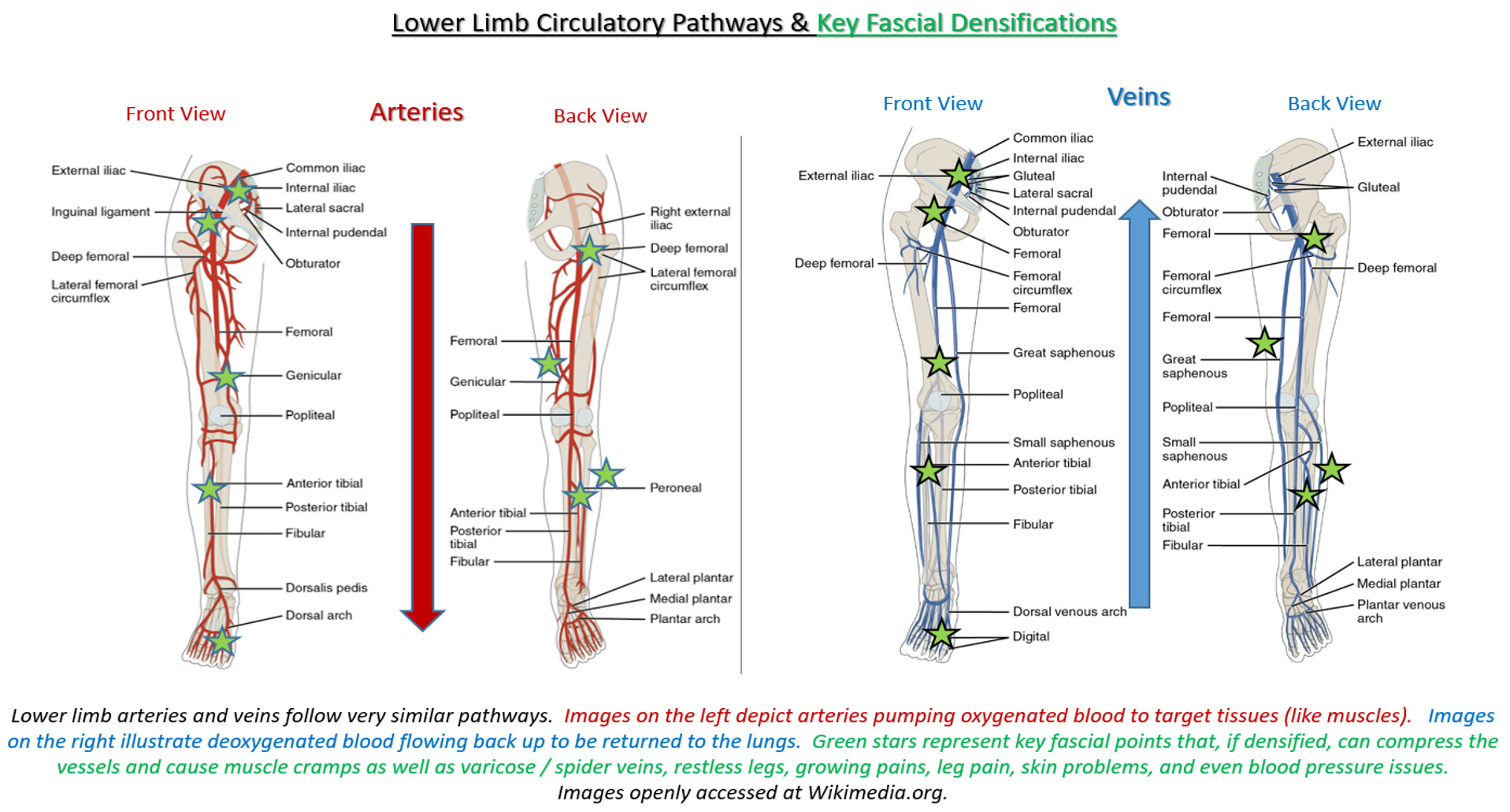
1. Fascial Densification: I believe this is the most logical and common culprit behind cramps. Normally fascial layers are spaced apart and able to slide independent of each other. Fascial densification is the term for fascial layers that become adhered and thickened in response to overload (trauma, repetitive movements, immobilization). Denfications in the pathway of nerves and blood vessels coursing through muscles can obstruct blood flow and cause the muscle to cramp. The lower limbs are the more common site because these areas are so often loaded with sports as well as daily activities. Old injuries such as past ankle sprains, plantar fasciitis, shin splints, restless legs, growing pains, and more set the tissues up for densifications and cramps – even years later.
2. Circulation: Oxygenated blood flow is vital to keeping muscles functioning. Blood vessels are embedded in a fascial matrix that, when densified can choke off blood supply to a muscle.
3. Nerve Compression: Similar to the blood vessels, nerves also travel to reach their target tissues in a fascial matrix that must promote space and slide around the neural pathway. Compromising this with a fascial densification can cause nerve pain but also impede blood flow to the nerve and lead to cramping and pain.
4. Muscle Fatigue / Overuse / Strain: Certainly in extreme cases overload to a muscle can cause it to cramp due to inadequate oxygen, nutrients, and energy. This is going to happen most commonly in a muscle that is predisposed by prior overload and the presence of fascial densifications.
5. Dehydration: This is probably the most commonly blamed cause, and is certainly a possible influence. But I don't believe it's as likely as people think for several reasons. For the most part we have access to ample water and many people capitalize on this as evidenced with the popularity of water bottles. Sure, even at that many people don't drink the water they should. Sources say we need 8-10 cups of water per day from both our drinks and foods combined, and certainly more if we are sweating profusely. This amount is very attainable in most circumstances. Dehydration would impact all muscles, yet cramps occur most commonly in the legs – typically not throughout the entire body. Even when cramps clearly correlate with less water intake, they are still most common in the legs. I would suggest that this is because these areas harbor fascial densifications that predispose them to issues. When water intake drops they are the first regions to alert. Consider that some people who drink water excessively still get cramps, and others who seem to drink little may not get cramps.
6. Electrolyte Imbalances: Again, this may be a source of cramps in some instances but I'm not convinced it's as much of a problem as power drink companies would like us to think. Critical electrolytes include sodium, potassium, magnesium, and calcium. 60-90 minutes of high-intensity activity involving excessive sweating or several hours of moderate activity can lower these levels. Heat and humidity are always a factor, with water and salt being lost in the greatest quantities. Signs of electrolyte imbalance go beyond just muscle cramps and can include weakness, fatigue, dizziness, headache, nausea, and irregular heartbeat. While we certainly shouldn't wait for the onset of these symptoms to replenish levels, most people are not even approaching this kind of imbalance. Furthermore, many power drinks contain harmful artificial colors and flavors, and are often in disposable plastic bottle that contributes to pollution.
7. Medication: Some substances seem to promote cramps, such as statins, diuretics, and bronchodilators. I would suggest that cramps are more likely to occur when these medications are used by people already harboring fascial densifications, and the chemical puts them over the edge.
8. Pregnancy: Similar to the meds, pregnancy further loads a system that may already be predisposed.
What Can Be Done for Cramps?
Over the years I have heard some interesting remedies: mustard, vinegar, bananas, even Dial soap at the foot of the bed. To each his own. Stretching and massage can be helpful in the moment. But recurrent cramps suggest a deeper cause that needs to be identified. Fascial densifications are a very probable and often overlooked potential source of muscle cramps. Fascial Manipulation® performed at the specific site of fascial densifications can be a very powerful tool for opening up vascular / neural pathways, removing muscle strain, and reducing / resolving the frequency and intensity of cramps. Of course if hydration and electrolyte insufficiencies exist then they need to be addressed as well.
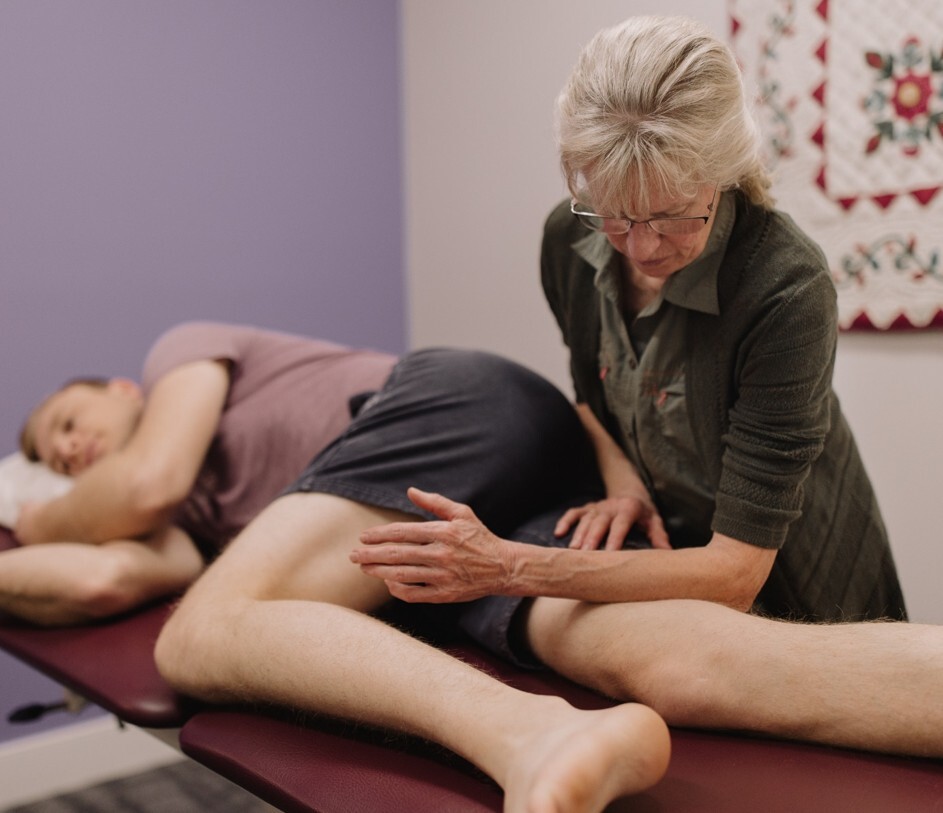
Interested in learning more about how Fascial Manipulation® may help your issues with cramps or other problems? Then give me a call, send a text, book an exploratory session, or schedule a consult. You have options – act on them!
Wishing you Health & Joy!
Colleen
Colleen Whiteford
Contact Me