What Is Peripheral Neuropathy?
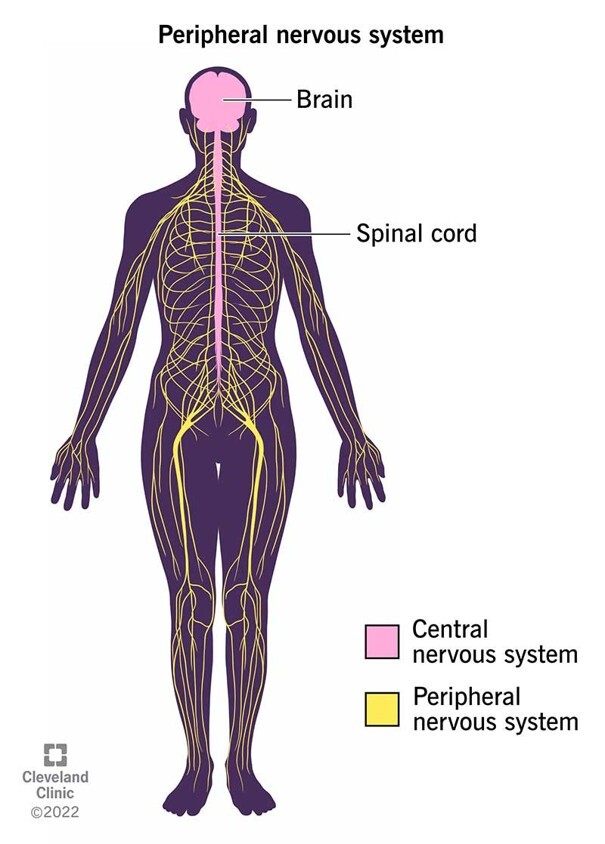
The suffix "pathy" is dervied from the Greek word pathos which means suffering or disease of a structure (for example retinopathy = problems with the retina, myelopathy = problems with a muscle, arthropathy = problems with a joint, etc.). So neuropathy means problems associated with a nerve. The termy typically relates to a peripheral nerve as opposed to the central nervous system (spine and brain), which is why it's called peripheral neuropathy (PN). It's often abbreviated to neuropathy, which is the same thing. Common symptoms include numbness, tingling, pain, sensitivity, and aching which can interfere with daily activities as well as sleep. Such symptoms are most common in the hands and feet, but can occur in other areas like the arms, legs, head, neck, and trunk. While sciatica as well as cervical / lumbar radiculopathy are technically not considered PN, there are those who debate this delineation (yours truly). Symptoms vary widely from annoying to life-altering, as well as constant to intermittent.
What Causes Peripheral Neuropathy?
Excellent question as the answer directs treatment. Diabetes mellitus (DM) is cited as the number one cause of PN, and certainly high blood glucose levels can damage nerves as well as blood vessels and organs. Other causes include trauma, genetic diseases, chemotherapy, alcohol, and vitamin deficiencies. But these don't account for all cases; a 2026 article in the Journal of the American Medical Association states that 27% of PN cases have no known cause, even with testing (1).
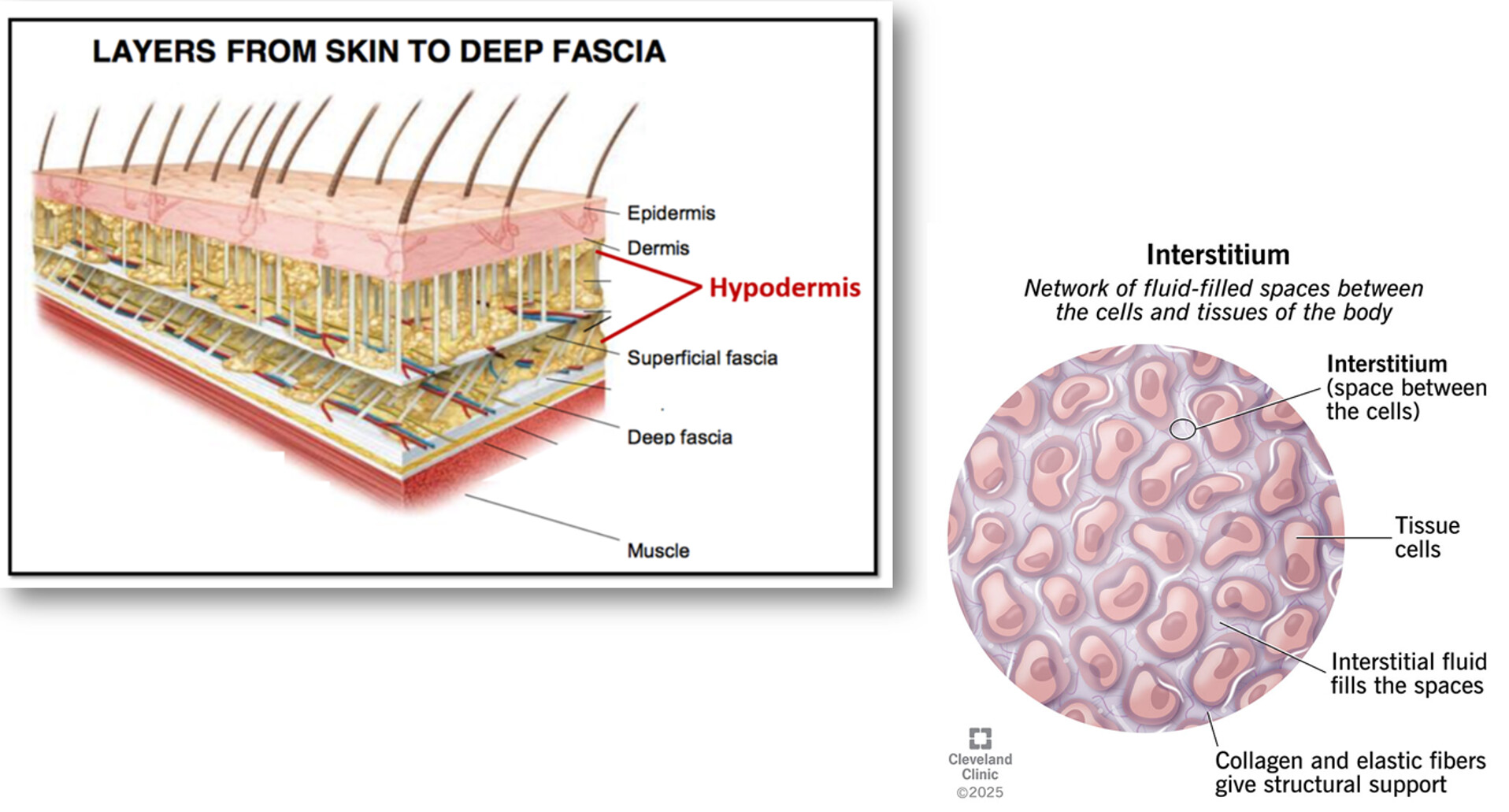
I would suggest that the fascial environment relating to the nerves is a very likely yet seldom considered influence on PN. Densification of fascial layers (layers that are stuck to each other) can certainly entrap nerves and impact PN symptoms (2). Inadaquate flushing out of waste products in the environment surrounding the cells of the fascia (called the interstitium) can also cause congestion and inflammation in the region (3). Both of these fascial models cite overload to the tissues as a source of fascial dysfunction: overload as may stem from trauma, disease, repeated activity, and immobilization. These models also provide very viable theories relating to the potential cause of or influence on PN when the source is otherwise unknown. Even in the presence of DM or other identifiable pathology or trauma, dysfunction of the fascia may further stress the nerves and augment symptoms.
What Can Be Done for Peripheral Neuropathy?
PN has become a best-selling diagnosis for a multi-billion dollar industry full of prescriptions, tests, supplements, specialists, gadgets, surgeries, shoe inserts, and expensive treatment programs. First and foremost, abnormal blood glucose levels must be addressed. Nerve damage may be irreversible in the presence of severe, chronic disease as well as traumatic nerve compression. However, symptoms may be helped or resolved even in the presence of these, and the outlook is even better in their absence. Medications are often the frontline intervention for symptom control, but do nothing to address underlying causes. Many people prefer to avoid these powerful pharmaceuticals due to undesireable side effects. Because of this many alternative interventions have emerged reporting to improve / resolve PN, but there is very little evidence supporting these claims. Another caveat with these programs is they often treat PN with the same protocol for everyone; but individual variability (through daily activities, past trauma, body type, etc.) necessitates an individualized and not an assembly-line approach. The potential severity and life-altering impact of PN drives a lucrative market fueled more by fear than fact.
So let's explore some facts. Evidence exists to support manual therapies such as Fascial Manipulation® (FM) and Fascial Counterstrain (FCS) in the management and treatment of PN (4, 5). Both of these techniques identify the faulty fascial environment relating to nerves and work to restore it to optimal function. FM focuses on returning lost glide in the superficial and deep fascial layers with an elbow or hand applying a shear force at strategic points. FCS targets restoration of the local lymphatic pump in the fascial layers impacting structures; in the case of PN this would be the peripheral nerves. This pump then clears the area of waste products and chemicals promoting pain and inflammation. I liken it to a flowing river as compared to a stagnant pond. These therapies may help diminish the severity of PN in the presence of trauma and disease; in cases where there is no know reason for the PN the outlook is even better, as it's quite possibly stemming from fascial dysfunction.

Interested in learning more about what interventions like FM and FCS may have to offer for PN? Please consider reaching out to me by phone, text, email, or schedule an in-person session. You really do have options for dealing with PN: act on them!
Wishing You Health & Joy,
Colleen
References:
- Mauermann ML, Staff NP. Peripheral Neuropathy: A Review. JAMA. 2026;335(3):255–266. doi:10.1001/jama.2025.19400.
- Stecco A et al. Fascial entrapment neuropathy. Clinical Anatomy. 2019 Oct;32(7):883-90.
- Tuckey B, et al. Impaired lymphatic drainage and interstitial inflammatory stasis in chronic musculoskeletal and idiopathic pain syndromes: exploring a novel mechanism. Frontiers in Pain Research. 2021 Aug 23;2:691740.
- Pratelli ME et al. Conservative treatment of carpal tunnel syndrome: Comparison between laser therapy and fascial manipulation®. Journal of bodywork and movement therapies. 2015 Jan 1;19(1):113-8.
- Tuckey B et al. Immediate Quantitative Sensory Testing of the Fascial Counterstrain Method: A Case Study. Lymphatics. 2026 Mar 26;4(2):17.