Ah, the Golden Years. That term originated many years ago with real estate and marketing mongrels wanting to rebrand the image of aging as one endless golden holiday in order to sell retirement communities. I wonder how their golden years are working for them now. Truth be told, aging is loaded with changes and challenges that can be daunting to navigate, and we shouldn't sugar-coat them. But I firmly believe we have far more control over what our aging looks like than we might believe. As a 64 year old who's been working in health care for over 40 years I have witnessed, experienced, and learned a lot. Here are my suggestions for optimizing this phase of life:
Start Early
It's like investment planning: the sooner you begin the better. Beginning financial planning for retirement at age 60 leaves a lot of catching up to do. The same holds true for aging: postponing affirmative action until problems begin (falling down, constipation, morning stiffness, urinary incontinence, joint pain) does not optimize success. Prevention or at least early intervention is worth a pound of cure, as Ben Franklin said.
Many issues attributed to aging are worsened by two factors:
1. Waiting too long to address problems
2. Focusing on symptoms instead of the source of symptoms
As you might imagine, much of my perspective is filtered through the lens of fascia and the connective tissues. But this perspective has served me, as well as many people I have worked with over the years, better than any other intervention I have observed and applied.
Old Is Gold
Many people move on from past problems once the symptoms are gone: ankle sprains, shin splints, plantar fasciitis, etc. Big mistake. While the acute phase of the injury heals, there's more to the story. The connective tissue (CT) layers typically do not heal with their prior space and slide restored, causing the formation of fascial densifications. In the Fascial Manipulation® (FM) model we like to say that "Old Is Gold" (not a play on the Golden Years jargon) to acknowledge the importance of past problems. They are often the drivers of newer problems, especially when new problems don't have an explanation for why they began. Many back problems stem from an old ankle sprain. Many people with urinary issues have a history of plantar fasciitis. Persistent neck and should problems often have their start in some type of old injury to the arm. Where it hurts often isn't where the source of the problem is, and focusing on the site of symptoms is often why issues don't resolve. Usually there are clues from the past health history that point to the source of the symptoms. When a problem recurs, it's typically because the source of the problem has been overlooked.
Get Moving
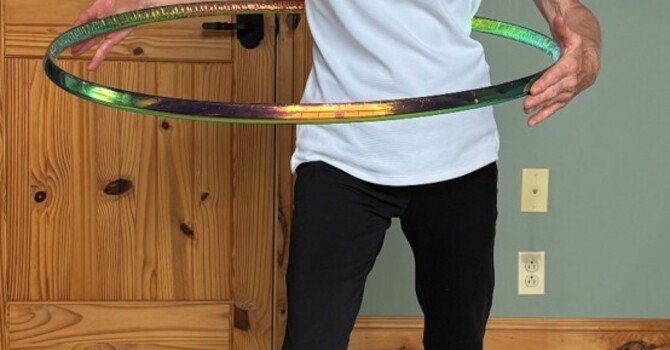
Stagnant ponds breed algae and grass that kills. We are more like rivers - we are made to move! Movement promotes life and lubricates tendons, fascia, muscle, nerves, organs, bones, blood and lymphatic flow. This stimulates the brain, heart, lungs, gut, bladder, and hormones. Movement is life, and its absence is the opposite. Preserving mobility doesn't happen naturally; it takes effort and intention. Everyone needs a plan for promoting movement, and a commitment to it.
Many arthritic changes in the body stem from CT dysfunction, but in our current health care model they are often not considered. People talk about their imaging studies as revealing bone on bone, a torn meniscus, or a rotator cuff tear. Hear me say that these are NOT the source of the problem - they are the victim. Imaging should not be used to dictate treatment; people without symptoms harbor rotator cuff tears and bone-on-bone all the time. Neither joints nor muscles dictate movement: they follow the orders of the nervous system, which rules the body. The nervous system uses the fascia as its second-in-command to dictate movement of the musculoskeletal and internal organ systems.
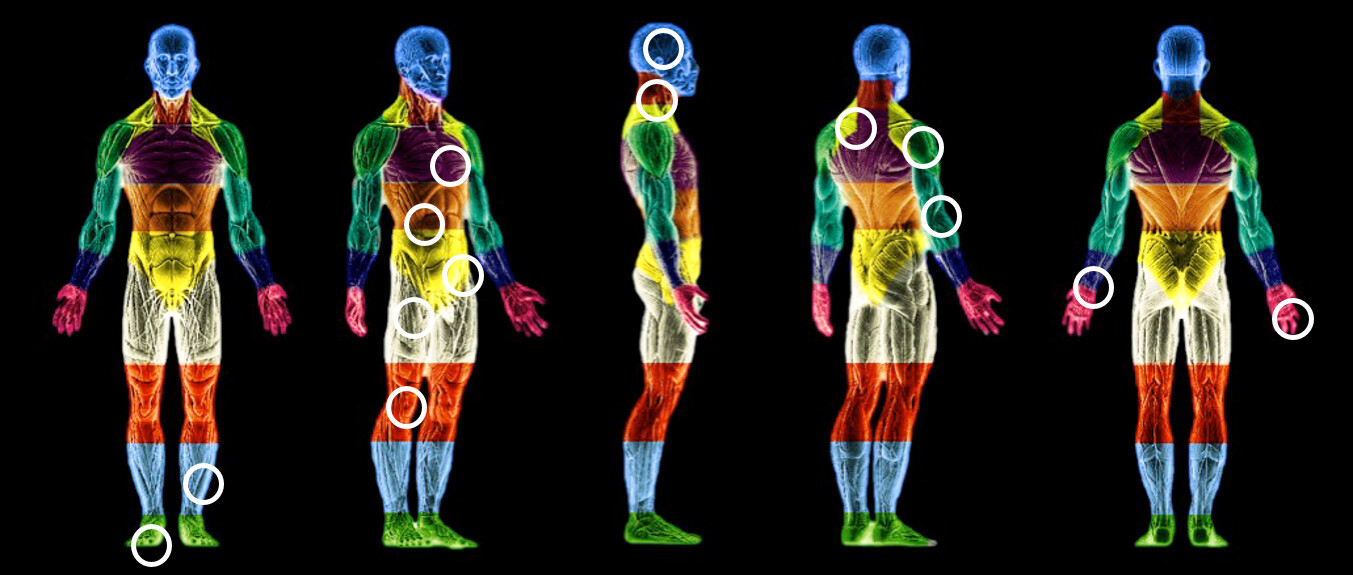
I'm a big believer in listening to your body. Movement that's painful, declining, or difficult is a sign of a problem – don’t ignore it or push through it. Instead of quashing movement-related symptoms with medications, injections, or surgery consider consulting someone who can help you explore treatment options stemming from addressing CT and fascial dysfunction. Identifyig and addressing obstacles to movement is the best strategy.
Food is Medicine
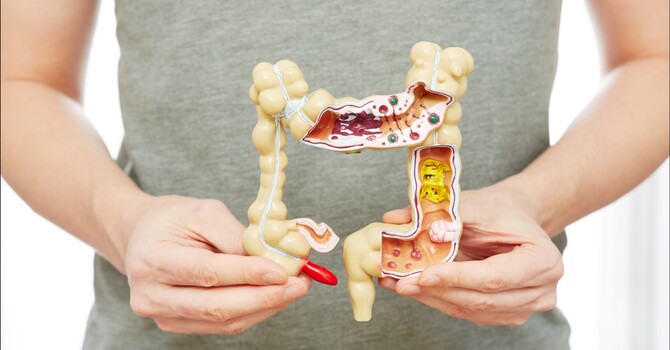
We are simultaneously blessed and cursed in the US with an abundance of food and drink. We intuitively know that most snacks and fast foods are typically not healthy, yet succumb to the chips, fries, and carbs way too often. I find it interesting how often people use the term "grab" when talking about getting something to eat, which implies little if any planning or preparation. Grabbing can also mean eating in a hurry, perhaps under stress, which is not a good atmosphere for healthy digestion. Healthy eating requires focus, intention, planning, and preparation. Certainly there are instances when we fall off the wagon. But when that becomes the norm it's time to re-evaluate. I believe that many health issues and prescription medications could be diminished if not eradicated just by making better nutritional choices. While not the only factor in weight control, good nutrition certainly has a prominent part.
I have found certain apps to be incredibly helpful in critiquing food and drink products. These apps offer a deeper dive than just label reading, and been very influential on my nutritional choices. You can learn more about the apps that I use in this blogpost.
Restore Your Soul
Many of us live in the fast lane, scrambling to keep up with work, home, family, and community demands. Our access to information and our availability through texts and cell phones can be both a blessing and a curse, bombarding us 24/7. I currently have 1,400 emails in my inbox with more coming every moment. Both my computer and phone are approaching the limit of storage space because I haven't purged them in so long, and I REFUSE to purchase more storage space. I feel like no matter how hard I work I can't keep up, much less get ahead.
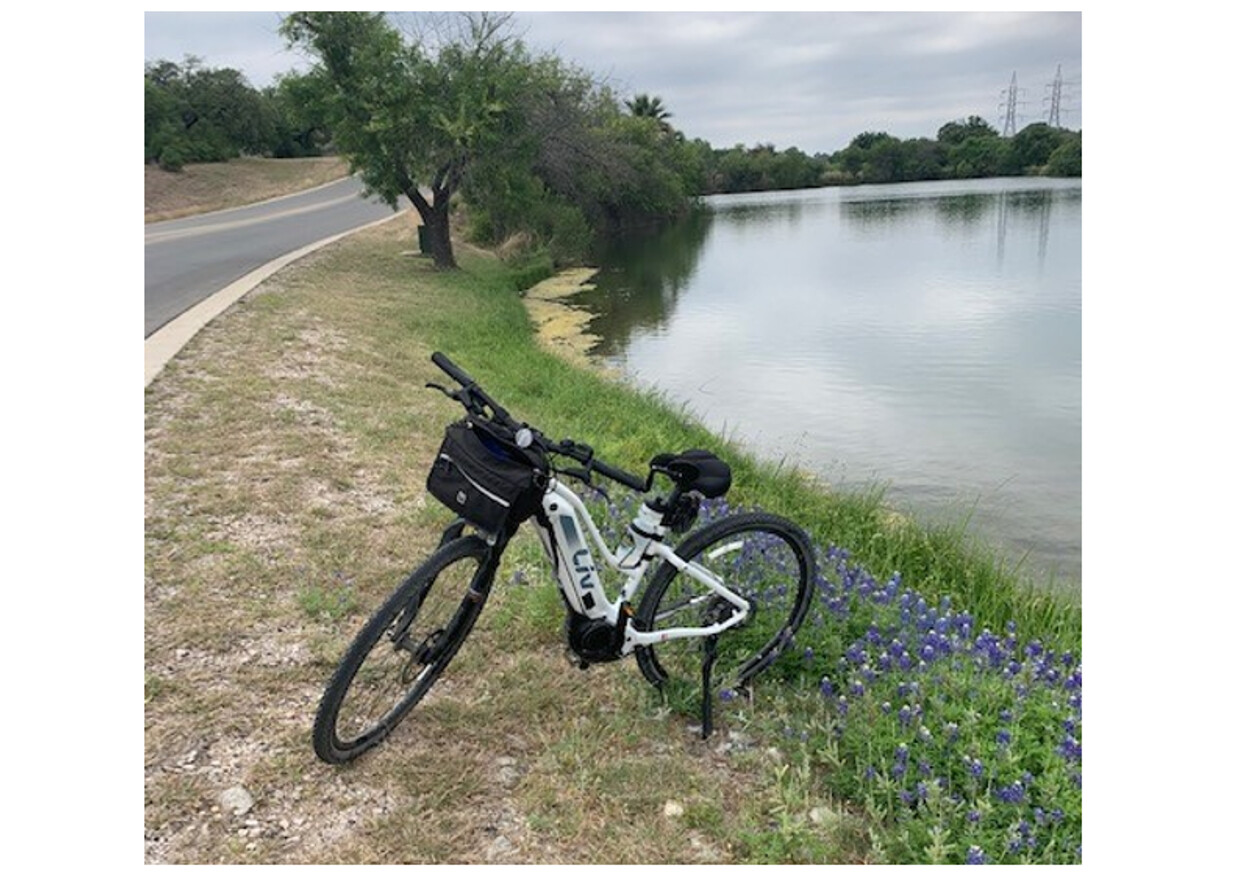
This persistent treadmill has driven me to take a new approach toward it all: stop working so hard! I am not a machine, and MUST have time to rest, refresh, and recharge. Some call it a Sabbath rest. For me this includes daily morning prayer and meditation, getting outside in nature as much as possible, and allowing myself to take a break – even for a full day if I can. I prioritize walking our dogs, riding my bike, and simply stepping away from the phone and computer. Find what restores your soul and pursue it.
There's much more I could share on this, but will end here for now. I will be speaking on this same topic at a day-long summit for women called Holistically You, September 19, 2026 in Harrisonburg, VA. To learn more about it and register you can follow this link. You have options: act on them!
Wishing You Health & Joy,
Colleen
Colleen Whiteford
Contact Me